


Clad Plate: Applications, Benefits, Types, and Welding Procedures
Clad plate is an advanced composite material that combines two or more metals to create a single plate with enhanced properties. It is widely used in industries that demand corrosion resistance, wear resistance, and cost efficiency. In this guide, we’ll explain what a clad plate is, its applications, benefits, types of materials, and common welding procedures.
What Is Clad Plate?
A clad plate is a metal plate consisting of a base material (often carbon steel) bonded to a cladding layer made from a corrosion-resistant or wear-resistant metal such as stainless steel, nickel alloy, or titanium.
The bonding is typically achieved through explosive welding, roll bonding, or hot pressing, ensuring a metallurgical connection between the layers.
This combination allows industries to take advantage of the strength and affordability of the base metal while gaining the surface properties of the cladding material.
Applications of Clad Plate
Clad plates are used in industries where both strength and corrosion resistance are required:
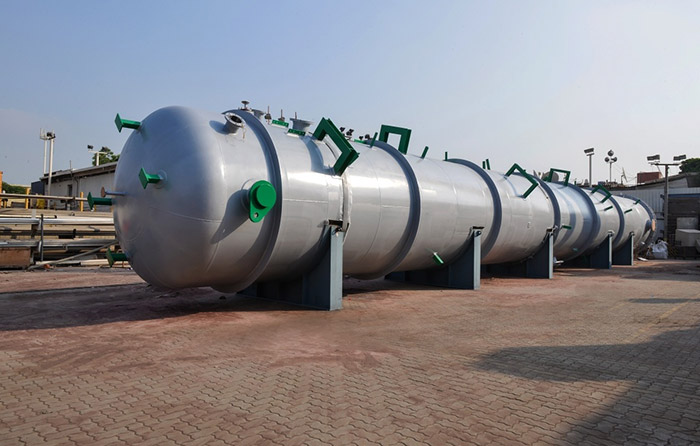
Petrochemical Industry – Storage tanks, pressure vessels, and heat exchangers.
Shipbuilding – Hull structures, bulkheads, and cargo tanks.
Oil & Gas Industry – Offshore platforms, pipelines, and risers.
Power Generation – Condensers, boilers, and flue gas desulfurization units.
Chemical Processing – Reactors, evaporators, and scrubbers.
Marine Industry – Saltwater-resistant structural components.
Benefits of Using Clad Plate
Using clad plate offers several advantages over solid alloy plates:
Cost Efficiency – Less expensive than using solid corrosion-resistant alloys.
Corrosion Resistance – The cladding layer protects against chemical attack and seawater corrosion.
High Strength – Base metal (often carbon steel) provides structural strength.
Versatility – Can be customized for specific industrial needs.
Extended Service Life – Reduces maintenance and replacement costs.
Types of Clad Plate Materials
The choice of cladding material depends on the intended application and required performance:
Stainless Steel Clad Plate – Ideal for chemical resistance and hygiene applications.
Nickel Alloy Clad Plate – Excellent in high-temperature and corrosive environments.
Titanium Clad Plate – Extremely resistant to seawater and aggressive chemicals.
Copper Clad Plate – Good electrical conductivity and corrosion resistance.
Duplex Stainless Steel Clad Plate – High strength and chloride stress corrosion resistance.
Clad Plate Welding Procedures
Welding clad plates requires special techniques to preserve the integrity of the cladding layer:
Preparation – Remove any oxide or contamination from the weld area.
Base Metal Welding – Weld the carbon steel or base layer using standard carbon steel welding procedures.
Cladding Layer Welding – Use compatible filler metals to match the cladding alloy (e.g., stainless steel filler for stainless cladding).
Buttering Technique – In some cases, apply a buffer layer between the base metal and cladding weld.
Post-Weld Heat Treatment (if required) – Applied according to material specifications.
Inspection – Conduct ultrasonic testing (UT) or radiographic testing (RT) to ensure weld quality.
Special care is needed to avoid dilution of the cladding metal, which could compromise corrosion resistance.
Conclusion:
Metal Clad plates offer a cost-effective and performance-driven solution for industries requiring both strength and corrosion resistance. By combining the structural advantages of carbon steel with the protective properties of alloys like stainless steel or titanium, clad plates deliver durability, reliability, and long-term value. Proper selection of material and adherence to correct welding procedures are essential to maximizing their benefits.